
The Charged Silence of the Iron Lung
Every symphony begins before the first note is ever played.
That's how Dr. Gregory A. Poland, Director of the Mayo Vaccine Research Group at Mayo Clinic, opened his keynote at the 2026 World Vaccine Congress—with charged silence. Not the silence of absence, but the kind that precedes something that changes everything.
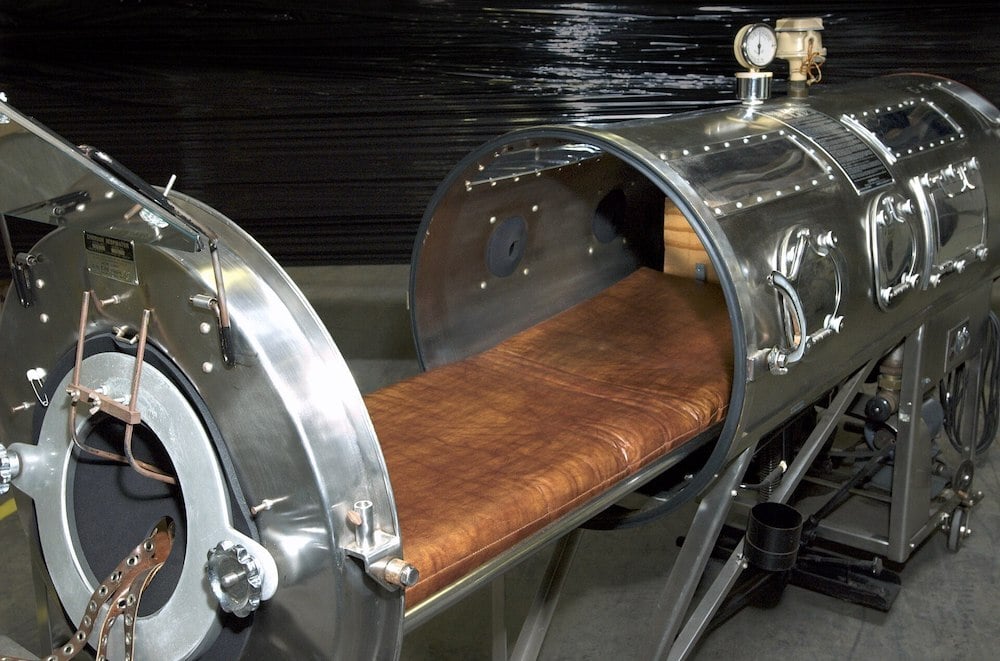
It's a metaphor that lands differently when you picture a hospital ward full of iron lungs.
What the Machines Remember
At the height of the polio epidemic, tens of thousands of Americans (mostly children) were infected every year. Parents kept their kids home from swimming pools in summer, afraid of what might follow them home. Hospitals built entire wards around iron cylinders, mechanical chambers that breathed for the bodies that couldn't.
The iron lung didn't cure polio. It kept people alive long enough in the hopes of something that would.
That something else arrived in 1955. Within two decades, the machines fell quiet.
The machines went still because researchers asked hard questions, ran rigorous trials, and acted on evidence until they understood the disease well enough to prevent it entirely. As Dr. Poland put it: those machines now sit in museums because of discipline and a commitment to evidence and experimentation.
We built a world designed to prevent catastrophes, rather than merely endure their consequences.
When Prevention Becomes Invisible
Success in public health tends to erase itself.
When a vaccine works, the disease it prevents quietly disappears from lived experience. The dread of a polio summer fades. Measles becomes a historical footnote. Young families today have no frame of reference for the wards those iron lungs once filled—and why would they? The science did what it was supposed to do.
But Dr. Poland named this paradox directly: when prevention works, it becomes invisible. Cultural amnesia sets in. The urgency that drove decades of research and public health commitment softens into complacency, and sometimes into outright skepticism.
This is the cost of success that vaccinology carries. The infrastructure built to prevent the next catastrophe has to keep running even when the threat it guards against is no longer visible. And the public trust that makes any of it possible has to be tended even when—especially when—there's nothing dramatic left to point to.
Prevention, at its best, is an act of collective memory, a discipline of remembering what came before, so it doesn't come again.
The world should not forget the science that silenced the iron lung.
Dissonance Before Transformation
Dr. Poland was direct about where vaccinology stands today. It isn't defeated, but it is being tested by public skepticism, political headwinds, and the strange cultural pressure of having succeeded too well for too long.
But he offered a reframe worth holding onto: in music, dissonance isn't the end of a symphony. It's what prepares for transformation, the tension before resolution.
Vaccination, he reminded the room, isn't merely a biological intervention, but a social act. It requires sustained public trust, ongoing scientific rigor, and institutions willing to hold the line even when the threat feels distant.
The Work That Happens Before the Silence
At Remington-Davis, we've had the privilege of contributing to vaccine research. For decades, our team has supported vaccine trials across some of the most complex and consequential areas in infectious disease research, working alongside sponsors and CROs to run the studies that move science forward, one carefully documented data point at a time.
That work is, at its core, an act of remembrance. It’s a commitment to the knowledge that got us here, and to the belief that the next generation deserves the same protection the last one fought to secure.
Thank you to Dr. Gregory A. Poland for a keynote centered around why this work matters. Hear more from Dr. Poland and the rest of the 2026 World Vaccine Congress keynote sessions here.
Photo credit: CDC/GHO/Mary Hilpertshauser